













Fraud Detection & Prevention Solution
Veridas: Your shield to detect and prevent evolving identity fraud threats

/The problem of fraud detection
Identity Theft and Fraud
Deepfake and Spoofing Attacks
Regulations and Fraud Prevention Balance
/Are you aware of identity fraud threats?
/Preventing identity theft: An urgent fight against escalating fraud
/Ways to prevent identity fraud
Robust Identity Verification Processes
Injection Detection Capabilities
Injection attack detection
Injection attacks enable fraudsters to bypass security measures by inserting manipulated data—such as deepfakes, synthetic images, or fake documents—into verification systems. To prevent this, our technology detects and blocks these attacks in real time. Using virtual camera detection, man-in-the-middle attack prevention, and AI-powered deepfake analysis, it ensures that only genuine, live users are verified.
Advanced injection attack detection
Fraudsters now exploit manipulated devices, such as emulators, virtual machines, and bots, to bypass security measures. Our advanced injection attack detection closes this security gap by detecting and blocking these threats in real time, preventing large-scale fraud before it happens. In addition to highly secure identity verification, it analyzes device integrity to ensure the trustworthiness of the entire process.
Proprietary Technology with Global Reach
Certified Technology
Technology:
Regulation:
/Detect every type of fraud
DOCUMENT FRAUD
Presentation attack
Injection attack
FACE FRAUD
Presentation attack
Injection attack
VOICE FRAUD
Presentation attack
Injection attack
/Strengthen Your Security with Advanced Injection Attack Detection
Stop fraud before it happens
Detect & block manipulated devices before fraud happens
Real-time protection against sophisticated injection attacks
Seamless integration
/Protect your business against fraud
Document Fraud
Identity theft during customer onboarding
Contact Center Scam
/Best identity fraud protection
Natalia Ortega
Global Head of Financial Crime Prevention, BBVA

“The incorporation of biometrics into our processes has not only kept fraud and identity theft levels under control but has also been positively received by our customers. Today, our customers demand the perceived security that biometrics provide because it makes them feel safe.”
Emma Pérez
KYC Manager – Digital Signature and Data Quality at Orange

“We have significantly reduced fraud in processes with KYC, and fraudsters now only target use cases where these security measures are not implemented. That is why the expansion of these solutions is gradually being applied to all use cases.”
David Fernández
CEO of Grupo VID
“Fraud is unstoppable. Either you defend yourself with tools like biometrics, or it becomes impossible.”
/Beat identity fraud with our advanced fraud detection solutions
/FAQs about fraud prevention and detection
What Types of Injection Attacks Exist?
Injection attacks enable fraudsters to bypass security by inserting manipulated data into verification systems. Here are the types we detect and prevent:
- API Security: Block unauthorized API requests that could inject malicious content with robust security measures, including API key authentication, IP filtering, and advanced security protocols.
- Virtual Camera Detection: Detect and block fake cameras to prevent fraudulent images or videos from being injected as if captured by a real camera.
- Man-in-the-Middle Attack Detection: Identify and prevent image tampering before biometric processing by detecting digital alterations, compression, formatting changes, and cropping.
- Business Intelligence Techniques: Monitor multiple parameters to ensure the integrity of the identity verification process, confirming it is executed end-to-end on the same device and preventing external data injection.
- Deepfake Detection: Analyze and identify artificially generated images, videos, and voices using AI-trained algorithms that distinguish genuine content from deepfakes, ensuring only authentic data is processed.
What Types of Advanced Injection Attacks Exist?
Advanced injection attacks enable fraudsters to manipulate devices to bypass security controls. Here are the types we detect and prevent:
- Emulators: Software tools that replicate legitimate devices, such as smartphones, within controlled environments. Our system detects inconsistencies in device metadata, anomalies in interactions, and signs of emulation to prevent fraud.
- Bots: Automated scripts designed to circumvent security measures. Using behavioral biometrics and anomaly detection, we identify and block bot activity, ensuring only real users gain access.
- Virtual Machines: Simulated environments that mimic physical devices to bypass security layers. Our system inspects runtime characteristics to detect and prevent fraud attempts using virtualized systems.
- Developer Tools: Specialized tools used to manipulate biometric data. Our technology blocks these tools, ensuring the integrity of the verification process.
What is deepfake detection?
A deepfake is an advanced form of synthetic media that uses artificial intelligence (AI) and machine learning to generate hyper-realistic yet fabricated content, including images, videos, and audio recordings.
Deepfakes can accurately replicate the appearance, voice, and mannerisms of real individuals, making it difficult to differentiate between genuine and manipulated media.
What Are Synthetic Identities?
In this context, synthetic identities are artificially created identities that combine real and fake information to bypass security measures. Fraudsters use them to open accounts, commit financial fraud, and evade detection.
How Can Gen AI Affect Me?
In the realm of fraud, Generative AI accelerates the industrialization of fraudulent activities. It enables fraudsters to create highly convincing deepfakes, synthetic identities, and automated attacks at scale, making fraud more sophisticated, frequent, and harder to detect. As a result, businesses face increased risks, including identity theft, financial losses, and reputational damage.
/Preventing and detecting identity fraud
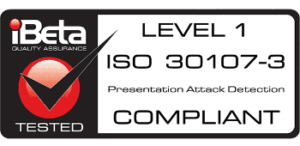
The iBeta biometric tests are the most recognized global standard for validating the security of identity verification systems. These tests ensure that a solution can effectively distinguish between a real person and a fraudulent attempt using photos or masks. Veridas has proven its technical superiority by achieving certifications for both Level 1 and Level 2 […]
CEO frauds represent a critical financial threat, characterized by attackers impersonating C-suite executives to orchestrate unauthorized fund transfers. Historically reliant on CEO fraud emails, the threat has escalated into CEO attacks leveraging AI-driven voice cloning and deepfakes. Current data indicates that fraud CEO schemes, also known as Business Email Compromise (BEC), target human psychological vulnerabilities […]
The transition to AMLR 2027 compliance represents a fundamental change for every financial institution operating within the European Union. This new regulation aims to eliminate the legal fragmentation that previously existed between different member states and their local laws. By creating a single rulebook, the European Commission ensures that security standards are high and consistent […]
Introduction to Identity Verification in AML and KYC Identity verification is the heart of AML and KYC compliance in banking, payments, crypto, insurance, or legal sectors. AML (Anti-Money Laundering) encompasses processes, regulations, and technologies to prevent money laundering; KYC (Know Your Customer) is the procedure for identifying and verifying clients. The practical question is: which […]
On November 20th, the Palazzo Cordusio Meliá Hotel in Milan hosted the Identity & Business Day Italy 2025, an event organized by Veridas in collaboration with Sopra Steria, bringing together leaders from the banking, technology and insurance sectors to address one of the biggest challenges of the digital era: identity fraud driven by AI. Throughout […]