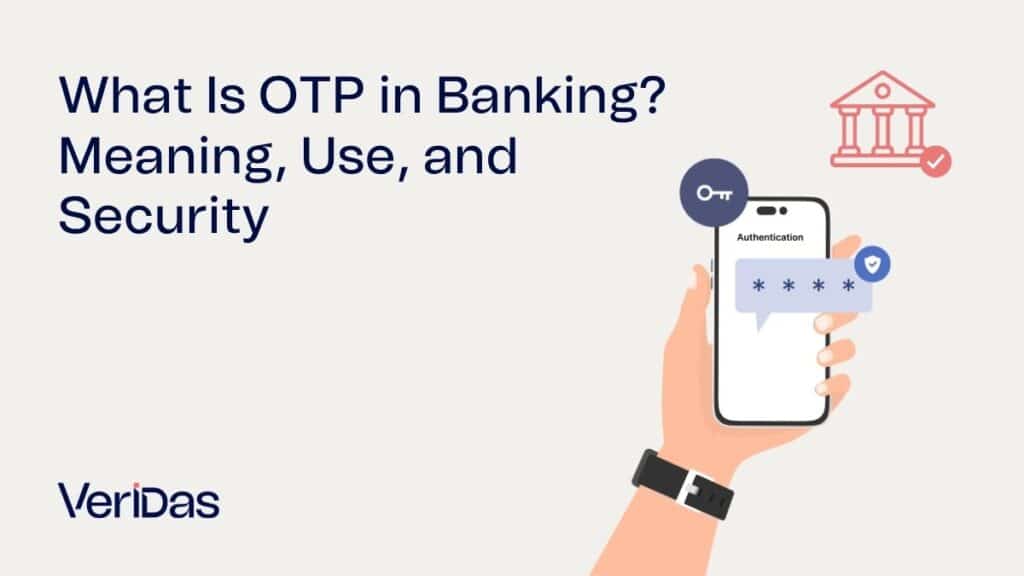
OTP banking is a secure method of authentication that generates a unique code for a single transaction or login session. This temporary password acts as a vital layer of protection in otp bank online environments, ensuring that only the rightful account holder can authorize movements.
The one time pass system has become a global standard for otp in banking, significantly reducing the risk of unauthorized access. It is designed to be used once and expires within a short timeframe, providing a robust defense against credential theft and traditional password breaches.
Financial institutions rely on these codes to verify identity during high-risk activities like wire transfers or profile changes. By implementing online banking otp protocols, banks can mitigate the impact of phishing attacks and enhance the overall trust in digital financial services for millions of users worldwide.
Understanding the otp what does it mean concept is essential for any digital banking user today. This guide explores how these passwords work, their role in modern security, and why the industry is gradually looking towards even more advanced solutions like biometrics to protect assets.

What Does OTP Mean?
To answer otp what does that mean, we must look at its core function as a dynamic security key. Unlike static passwords that remain the same until changed, an OTP is generated in real-time for a specific event, making it nearly impossible for hackers to reuse or predict.
When users ask what does it mean otp, they are referring to a One-Time Password that serves as a second factor of authentication. This mechanism ensures that knowing a person’s username and password is not enough to compromise an account, as the physical possession of the device is required.
The definition of what does mean otp centers on its ephemeral nature and its role in the Multi-Factor Authentication (MFA) framework. It bridges the gap between digital credentials and physical ownership, providing a time-sensitive lock that protects sensitive banking data from remote exploitation.
In the context of what does the otp mean for a bank, it represents a balance between security and accessibility. While it adds a step to the process, the protection it offers against modern fraud techniques in banking makes it an indispensable tool for maintaining the integrity of the financial ecosystem.

How One-Time Passwords Work
The process behind a one time pass begins when a transaction is initiated in an otp bank online platform. The bank’s server generates a random string of numbers or characters using a specific algorithm that is synchronized with the user’s registered device or application.
This code is then delivered through a secure channel, most commonly via one time password sms or a dedicated banking app. The user must enter this code within a window of 30 to 120 seconds, after which the password becomes completely invalid and cannot be used again.
Once the otp banking code is entered, the server validates it against the generated value to confirm the user’s identity. If the codes match and the time has not expired, the transaction is approved, providing a seamless yet secure experience for the end customer.
Here is a summary of the generation methods used in the industry:
| Method | Delivery Channel | Security Level |
|---|---|---|
| SMS OTP | Mobile Network | Moderate |
| Email OTP | Email Server | Low/Moderate |
| Software Token | Mobile App (Push) | High |
| Hardware Token | Physical Device | Very High |
Why Banks Use OTPs
The primary reason for otp banking adoption is the critical need to prevent identity theft in an increasingly digital world. Static passwords are often compromised through data breaches, but an OTP provides a fresh, unpredictable layer of security for every single login or payment.
OTP internet banking serves as a deterrent against Man-in-the-Middle attacks, where attackers try to intercept credentials. Since the code is only valid for a moment, even if it were intercepted, it would be useless by the time an attacker tried to use it for a different purpose.
Banks also utilize online banking otp systems to comply with international regulations such as PSD2 in Europe. These laws mandate Strong Customer Authentication (SCA) for most electronic payments, making one-time codes a legal requirement for operating within secure financial markets.
Furthermore, otp mean more than just security; they provide a sense of control to the user. Receiving a code on a personal phone confirms that the bank is actively monitoring the account, fostering a stronger relationship of trust between the institution and its clientele.
OTPs and Online Banking Security
Security is the cornerstone of otp bank online services, where large sums of money are moved daily. The implementation of one time pass protocols ensures that even if a device is stolen, the thief would still need the primary login credentials to access the funds.
The use of otp is what protects the most vulnerable points of the user journey, such as adding a new payee or changing a recovery email. These “high-value” actions require a higher level of assurance, which is exactly what a time-bound, event-specific code provides to the bank.
However, while otp banking is effective, banks are aware that it is not infallible. Sophisticated methods like SIM swapping can redirect one time password sms to an attacker’s phone, which is why many leaders are now integrating biometric authentication as a more secure alternative.
Common Uses in Internet Banking
- Authorizing high-value domestic and international wire transfers.
- Validating the login process from a new or unrecognized device.
- Confirming changes to sensitive account information or contact details.
- Approving online purchases made with credit or debit cards (3D Secure).
How to Receive and Use OTPs
Understanding otp what is the best way to receive your code depends on your bank’s infrastructure and your own security preferences. Most otp bank online banking systems offer multiple channels to ensure that users can always access their accounts, even when traveling abroad.
The process of receiving a code is usually automatic; once you click “send” or “confirm,” the otp banking engine triggers a message. It is important to ensure your contact information is up to date, as the code will only be sent to the verified mobile number or email address on file.
Users should be aware that one time pass delivery can sometimes be delayed by network congestion. If you are using OTP in your bank and the code does not arrive, it is better to wait a few minutes rather than requesting multiple codes, which can cause synchronization errors.
Always remember that a legitimate bank will never ask you to share your online banking otp over the phone or via a link. These codes are strictly for your own use on the official banking platform, and sharing them is the most common way that users lose their funds to scammers.
OTP via SMS or Email
The one time password sms is the most popular delivery method due to its convenience and the fact that almost every customer owns a mobile phone. It does not require a smartphone or data connection, making it accessible to a broad demographic of banking customers worldwide.
On the other hand, otp banking via email is often used as a backup when mobile signals are weak or unavailable. While convenient, email accounts are frequently targeted by hackers, so this method is generally considered less secure than receiving a code via a text message or a push notification.
For those using otp bank internet banking, many institutions now recommend “Soft Tokens” within their apps. These generate codes locally on the device, eliminating the need for a network connection and protecting the code from being intercepted during transmission over the air.
Common Questions About OTPs
Is OTP the Same as a PIN?
A common point of confusion in otp banking is the difference between a PIN and an OTP. A PIN is a static, multi-use secret that the user chooses and remembers, whereas an OTP is a dynamic, single-use code generated by the bank’s system for a specific session.
When considering otp what does it mean for your daily routine, think of the PIN as the key to your front door and the OTP as a one-time visitor pass. Both are necessary for OTP security, but they serve different purposes within the authentication layers of the bank.
Using online banking otp in combination with a PIN provides what is known as Two-Factor Authentication (2FA). This “something you know” (PIN) and “something you have” (phone with OTP) approach is what makes digital transactions significantly safer than using a password alone.
Benefits and Limitations of OTPs
The benefits of otp banking are clear: they provide a simple, cost-effective, and scalable way to secure millions of accounts. By ensuring that every one time pass is unique, banks can effectively neutralize the threat of stolen passwords being used at a later date.
However, the otp mean of authentication has its downsides, particularly regarding user experience. Having to wait for an SMS or switch between apps can create friction, leading to abandoned transactions or frustration for customers who expect a more “seamless” otp bank online experience.
From a security perspective, one time password sms is increasingly vulnerable to social engineering. Scammers often call victims pretending to be bank officials to trick them into revealing their OTP codes, a tactic that biometrics can completely eliminate.
As we look at otp what is the future of banking, it is clear that while OTPs were a great first step, the industry is moving toward “invisible” security. Solutions that verify identity through facial or voice patterns offer higher security without the need for the user to remember or enter any codes.
Potential Issues and Risks
| Risk Factor | Description | Potential Impact |
|---|---|---|
| SIM Swapping | Attacker takes over the user’s phone number. | Total account takeover. |
| Phishing | User is tricked into entering OTP on a fake site. | Unauthorized transactions. |
| Network Delays | SMS codes take too long to arrive. | User frustration and transaction failure. |
| Social Engineering | Attacker tricks user into sharing the code via phone. | Direct financial loss. |
Final Thoughts on OTPs in Banking
In conclusion, OTP in banking remains a fundamental pillar of digital security, providing a necessary layer of protection for users. Its ability to generate unique, time-sensitive codes has saved countless accounts from being compromised by traditional cyberattacks.
As the concept of otp what does it mean evolves, so do the threats. While the one time pass is much better than a static password, the rise of sophisticated fraud proves that we need even more robust methods to verify identity in the online banking otp era.
Veridas is at the forefront of this evolution, helping banks transition from one time password sms to biometric solutions. By using facial and voice recognition, institutions can offer a higher level of security that is impossible to steal, share, or intercept, ensuring a safer future for all.
The journey of otp banking is one of constant improvement. Whether you are a consumer or a bank executive, staying informed about these security measures is the best way to protect your financial assets and ensure that otp bank online banking remains a trusted and efficient service.
Use Cases by Industry
- Banking: Authorization of high-value transfers and secure login via 2FA.
- Telecommunications: Validation of contract changes and prevention of SIM swapping fraud.
- Insurance: Secure access to policyholder portals and approval of claim submissions.
- Retail: Verification of identity during large online purchases and loyalty program access.
Frequently Asked Questions (FAQs)
What is the main benefit of OTP in banking?
Can an OTP be intercepted?
What should I do if I don’t receive my banking OTP?