The concept of proof of delivery has evolved from a simple paper signature to a complex digital validation process. This document serves as the ultimate confirmation that a product has reached its intended recipient in the correct condition and at the specified time.
In the modern logistics landscape, ensuring the identity of the person receiving the goods is a critical security measure. Veridas provides the technology to transform a standard delivery into a legally binding, biometric-backed event that eliminates uncertainty.
Our solutions eliminate the ambiguity of traditional methods by linking the delivery to a unique physical trait. This approach provides an irrefutable layer of trust for both the sender and the logistics provider throughout the entire supply chain.
Implementing a robust verification system reduces the risk of disputes and operational friction significantly. Businesses can now track every stage of the last mile with absolute certainty and real-time data visibility for all stakeholders involved.
What Is Proof of Delivery?
A proof of delivery is essentially a legal acknowledgment that a carrier has fulfilled their obligation to transport goods. It marks the formal transfer of responsibility from the logistics provider to the final customer or receiver at the destination.
This document must contain specific details such as the date, time, and the name of the person who accepted the package. Without this evidence, companies face high risks of claims for non-delivery or lost items during the critical transit phase.
Modern POD systems now incorporate digital elements like GPS coordinates and high-resolution photographs of the delivered items. These additions provide a much more comprehensive view of the delivery status than old manual logs or physical folders.
Veridas enhances this definition by introducing identity as the core element of the verification process. We ensure that the “who” is as accurate and documented as the “where” and the “when” of every single delivery made.
How Proof of Delivery Works in Logistics
The process begins the moment a shipment leaves the warehouse and is assigned to a specific delivery route. Each package is tracked via digital systems that update its status as it moves through various checkpoints in the supply chain.
When the carrier arrives at the destination, the proof of delivery process is triggered to close the transaction. The recipient must provide a validation that is recorded instantly in the company’s central management system for audit purposes.
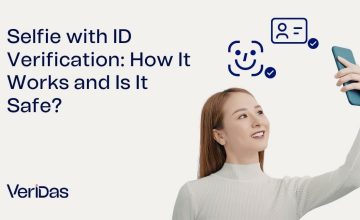
Our technology allows this interaction to happen through a simple mobile application using identity verification tools. The carrier simply asks the user to show an ID or perform a quick facial scan for instant validation.
This data is then synchronized with the cloud, providing immediate proof that the service was completed successfully. This automation removes the need for manual data entry and reduces the probability of human error in long-term records.
Types of Proof of Delivery: Paper vs Electronic (ePOD)
Traditional paper-based systems are becoming obsolete due to their lack of security and high administrative costs. Manual signatures are easy to forge and often difficult to read, leading to potential legal disputes and operational delays.
Electronic Proof of Delivery, or ePOD, offers a much more efficient alternative by digitizing the entire interaction. It allows for real-time tracking and immediate notification to all parties involved in the logistics chain without physical delays.
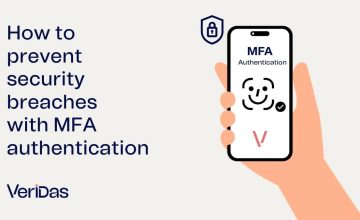
The main advantage of electronic systems is the ability to integrate advanced security features like biometrics. Veridas leads this shift by providing facial biometrics that replace the unreliable handwritten signature on a small mobile screen.
Switching to a digital model also supports sustainability goals by eliminating the need for physical paper storage. Companies gain agility, reduce their carbon footprint, and improve the overall accuracy of their delivery data across the board.
Why Businesses Need Proof of Delivery
Protecting the bottom line is the primary reason why companies invest in high-quality proof of delivery systems. Every disputed delivery represents a direct financial loss and a potential blow to the brand’s reputation in a competitive market.
A reliable POD system acts as a shield against “friendly fraud,” where customers claim they never received their orders. By having an irrefutable record of the delivery, businesses can quickly resolve these claims with documented evidence.
Furthermore, these systems improve the customer experience by providing transparency and professional service at the doorstep. Customers feel more secure when they see a structured and technological process for receiving their valuable or sensitive goods.
Veridas helps companies build this trust by ensuring that only the authorized person can accept the delivery. This is especially vital for high-value items, sensitive documents, or products with legal age restrictions in different jurisdictions.
Legal Requirements and Verification Rules
International trade and local regulations often require strict documentation to prove that a delivery was executed correctly. Compliance with standards such as the GDPR in Europe is essential when handling recipient personal data during verification.
Electronic signatures used in POD must meet specific criteria to be considered legally binding in a court of law. Our biometric signature follows the highest security standards to ensure total legal validity for every transaction.
Verification rules must be clear and consistent across the entire logistics network to avoid operational gaps. This includes defining what constitutes a valid ID and how to handle deliveries when the primary recipient is not present.
Veridas ensures that all captured data is stored securely and according to current privacy legislation. We provide the tools to maintain a complete audit trail that can be accessed whenever a legal inquiry or dispute arises.
How to Obtain or Access Proof of Delivery
Modern logistics platforms provide digital portals where both the sender and the receiver can download their documents. Access to the proof of delivery should be fast, intuitive, and available 24/7 from any device or location.
Logistics managers use specialized dashboards to monitor delivery performance and identify potential bottlenecks in the last mile. These tools allow for the filtering of records by date, carrier, or specific geographic regions for better analysis.
Integrating Veridas technology means that these records now include a high-level identity assurance certificate. This certificate can be automatically attached to the digital invoice or the shipping confirmation email sent to the client after delivery.
Streamlining access to this information reduces the workload of customer service teams significantly. Most inquiries about delivery status can be resolved by the customers themselves through a simple self-service tracking portal or mobile app.
Cost and Benefits of Using ePOD Systems
While the initial investment in ePOD technology may seem high, the long-term ROI is usually quite significant. Companies save money by reducing paper usage, storage costs, and the time spent on manual administrative tasks every day.
The reduction in fraud and the elimination of “lost” package claims provide an immediate impact on the company’s profitability. A single avoided dispute can often cover the monthly cost of the verification software license for many carriers.
Moreover, the efficiency gains allow carriers to complete more deliveries per shift without increasing their stress levels. Veridas technology focuses on making the biometric authentication process take only a few seconds for the user.
The strategic benefit of having clean, digital data for business intelligence purposes cannot be overstated. Better data leads to better decision-making and a more competitive position in the global logistics and transport market.
Choosing the Right Proof of Delivery Solution
Selecting a partner for your POD needs requires evaluating their technical capabilities and their commitment to security. The solution must be scalable and easy to integrate with your existing Warehouse Management System or ERP.
It is crucial to choose a provider that offers proprietary technology to ensure fast updates and reliable support. Veridas develops 100% of its engines, providing a level of control and performance that third-party resellers cannot match.
The system should also be user-friendly for the drivers, as they are the ones using the tools in varied environments. A complex or slow interface will lead to poor adoption and errors during the critical last-mile delivery phase.
Finally, consider the future of your business and whether the solution can adapt to new challenges like deepfake detection. Our anti-spoofing technology ensures that the biometric data captured is real and belongs to a living person.
Industry Use Cases
- Banking: Delivery of premium credit cards with mandatory facial identity validation to prevent identity theft.
- Telcos: Delivery of high-end mobile devices ensuring the contract holder is the one receiving the terminal.
- Insurance: Sending confidential documentation or compensation checks with biometric signatures at the point of receipt.
- Retail: Automated age verification for the delivery of restricted products like alcohol or tobacco at the doorstep.